Why We Love It

During Great Outdoors Week, each day at 6PM, one piece of music is introduced by Brian Lauritzen’s “Why We Love It” feature -- mini-deep dives about specific pieces that pull together history, culture, and a little musicology for a textured exploration of why we still love these great masterpieces. Now, you can listen to each one on demand below right after it airs:
What if I told you there was a piece of classical music, by a famous composer, that was written entirely about you? There is such a piece…and, no, it wasn’t written by some magical time-travelling composer. Just someone who understood the connection between the natural world and the human experience. In this episode, Brian explores the many ways in which a river can be a metaphor for the joys, sorrows, challenges, and triumphs of our own life.

Is there such a thing as absolute serenity? Peace, unsullied by modern life and the stresses and pressures that it brings? In this episode of Why We Love It, Brian explores a beloved tender moment tucked away near the end of a delightfully silly piece of music by Camille Saint-Saens: The Swan, from Carnival of the Animals. It is a delicate, intimate encounter with beauty. Beauty that asks nothing of us. Beauty that just is.
Can we have memories of places we’ve never been? Can we be nostalgic for moments we haven’t experienced? Seems unlikely, but in this episode of Why We Love It, Brian explores how Debussy uses music and poetry to take us to a place that we’ve never been before but how still somehow feels familiar and comforting.
Ever wonder what trees sound like? I don't mean the sound of leaves rustling in the wind, but what if a composer said to an orchestra, "Hey y'all, could you be a bunch of trees for, like, 22 minutes?" Composer Ottorino Respighi did just that with The Pines of Rome and in the process gives us music that not only depicts the majestic umbrella pines of that historic city, but a stirring call to action for all of us to let our roots dig deep while reaching for unimaginable heights.
So, here’s a long-ish question: what if I told you there was an iconic piece of music, written for a smash hit blockbuster movie, that helped to inspire a completely unrelated film that would go on to win a Best Picture Oscar? Two iconic films back-to-back: Jurassic Park and Schindler's List. Director Steven Spielberg says when the emotional toll of making Schindler's List became too much, he put on a cassette tape of John Williams's majestic, inspiring, uplifting music for Jurassic Park. In this episode, Brian explores music that not only respects and honors the dinosaurs, but allows us to love them as well.
You can also enjoy past episodes below:
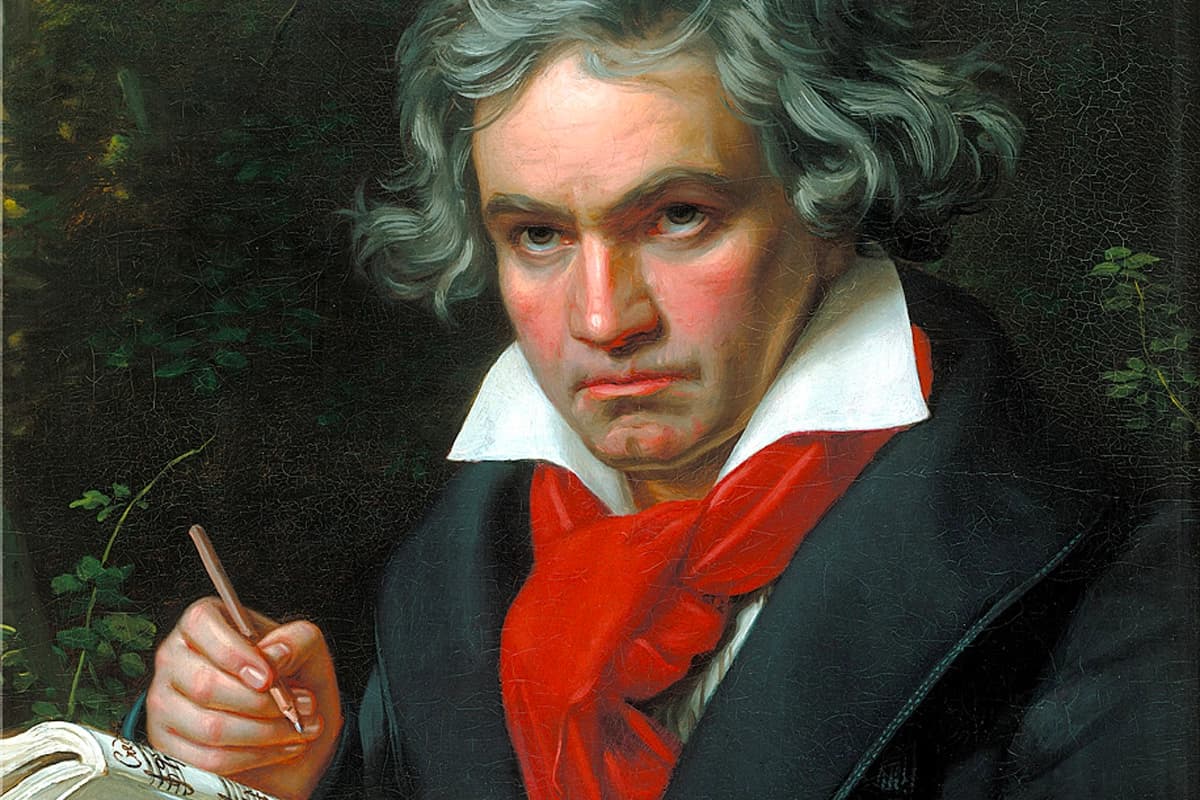
How is Beethoven like a New Year’s Resolution? In this episode of Why We Love It, Brian explores this question (that’s probably never been asked) and together we find a composer who was so skillful at closing the book on the past and looking to the future. Even in a lesser-known work like his Choral Fantasy, Beethoven is looking backwards and forwards all while managing to level-up, musically and philosophically.
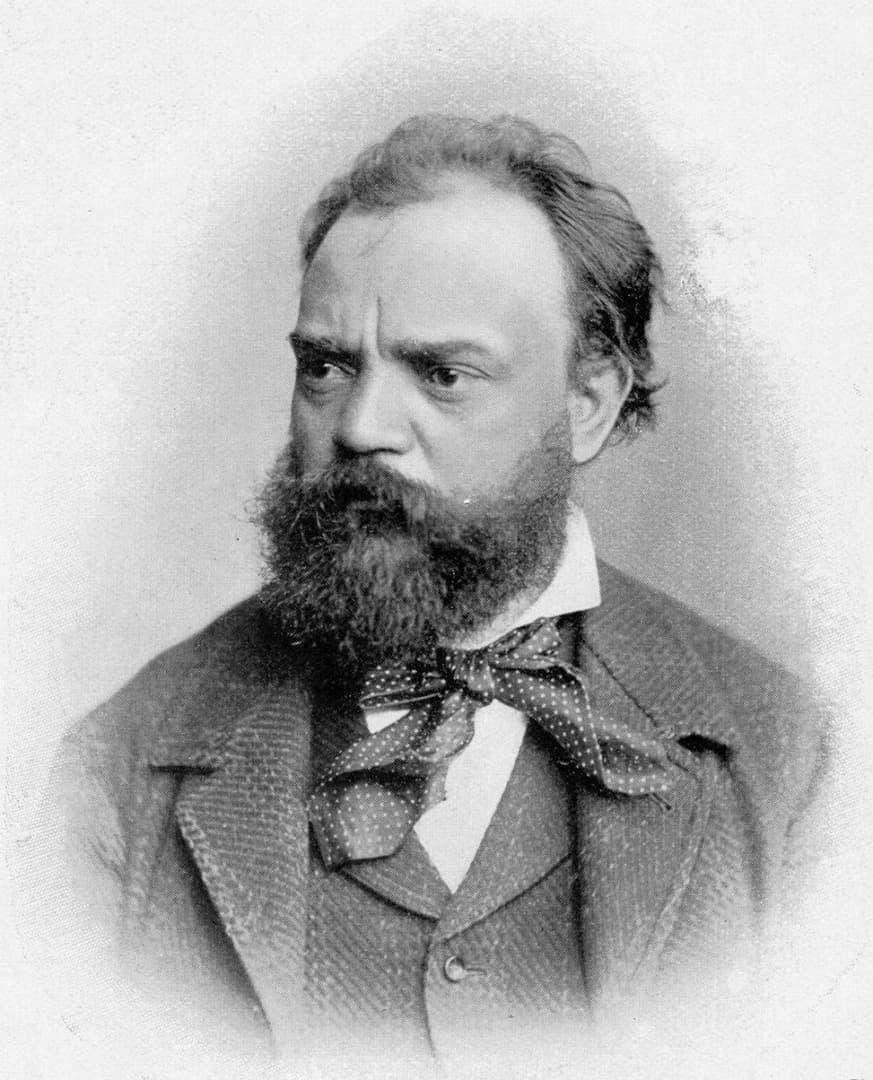
What if we told you some of the most quintessentially American classical music wasn’t even written by an American composer? You might say, well yeah, I already knew that. I am aware of Dvorak’s New World Symphony after all. There’s more from Dvorak’s time in the United States. What he heard in our music was a longing for home, a search for identity, the coexistence of many cultures, and the beauty of voices rising from the margins. In this episode of Why We Love It, Brian explores the sound of home through the lens of Dvorak’s “American” String Quartet.
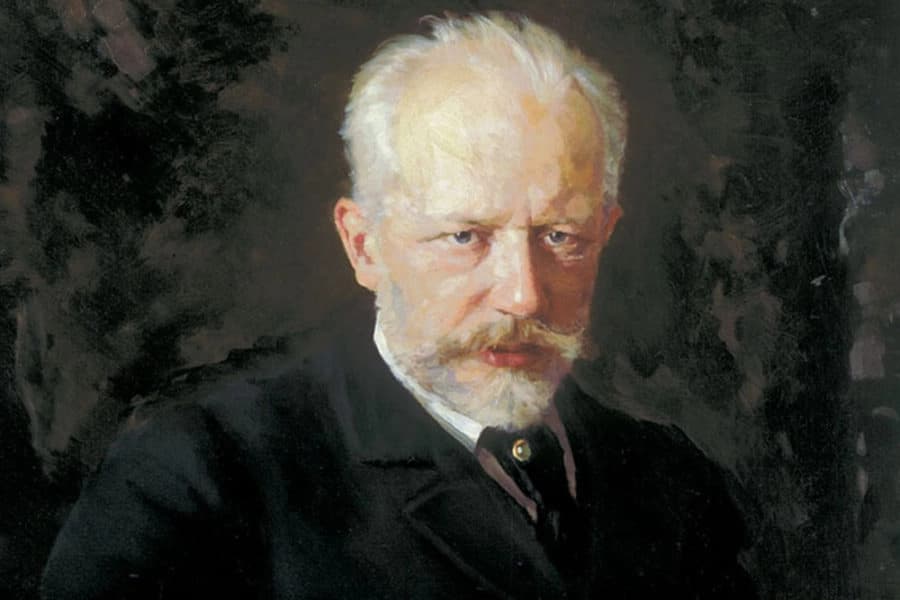
Have you ever felt like an outsider? Like you just didn’t fit in? But more than that. Have you ever felt like you don’t belong? In this episode of Why We Love It, Brian explores the heart-wrenching Symphony No. 6, by Tchaikovsky. A symphony which begins and ends in the depths of despair, ultimately leaving us empty and without any glimmer of hope. But a symphony which also allows us to contemplate a composer at his most vulnerable and whose vulnerability reminds us that we are never alone in ours. Tchaikovsky's 6th is a symphony which gives us space to practice empathy, honesty, and emotional courage.
How do you feel about questions that don’t have answers? Do you love the conjecture, the discussion, the possibility? Or do questions without answers just bug the you-know-what out of you? In this episode of Why We Love It, Brian explores a piece of music we ALL know the first two minutes of…and one that most of us haven’t heard the remaining 31 minutes of. It’s musical and philosophical ambiguity that, in the end, reaches a beautiful lack of conclusion.
If we told you there was a piece of music that consists of the same musical idea 28 times in a row, would you want to listen to it? That music does exist and it is one of the most popular pieces of classical music ever written: Pachelbel’s Canon. In this episode of Why We Love It, Brian explores how the monotony of repetition creates possibility and the opportunity for beautiful creativity. Also, how Pachelbel’s Canon is like pizza.
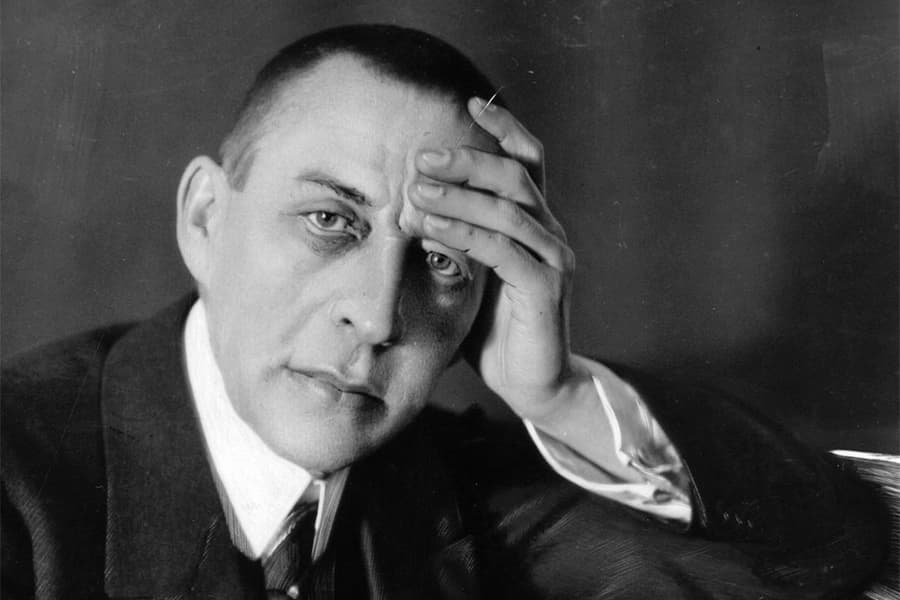
Ever wonder what life would be like without the music we love? That’s not a super happy thought, but in the case of Rachmaninoff’s Piano Concerto No. 2, it almost didn’t exist. In this episode of Why We Love It, Brian explores the inspirational story of Rachmaninoff’s personal triumph over crippling self-doubt and how this comeback piece might be the most powerful reminder to us today that our darkest moments do not define us.

Is it possible to find hope in darkness? What does that look like? What does that feel like? What does that sound like? Some of the most optimistic American music comes from the dark uncertainty of World War II. In this episode of Why We Love It, Brian explores Copland’s iconic ballet Appalachian Spring and its simple gift of patient, quiet optimism in moments of uncertainty.