Schedule
HostsWays to Give
HomePlaylistSchedule
HostsEventsOn DemandOur StoryOur TeamWays to Give Become a Sponsor
How to ListenVisit Help CenterContact Us

Find Us on Social Media

Logo image

Download Our Mobile App

google play icon

About

HomePlaylistSchedule
HostsOn DemandOur StoryOur Team

Community

EventsWays to Give Become a SponsorPressDiversity StatementCareersKUSC EEO ReportKDFC EEO ReportDigital Accessibility

Help

How to ListenVisit Help CenterContact Us

Find Us on Social Media

Sweepstakes RulesKUSC Local Public FilesKDFC Local Public FilesPrivacy PolicyCode of Integrity

©2026 Classical California

articles / Chapman Challenge

Chapman Challenge: What Is a Chaconne?

Chapman ChallengePop CultureArts Alive BlogFundamentalsMusic Theory

A portrait of Henry Purcell by John Closterman

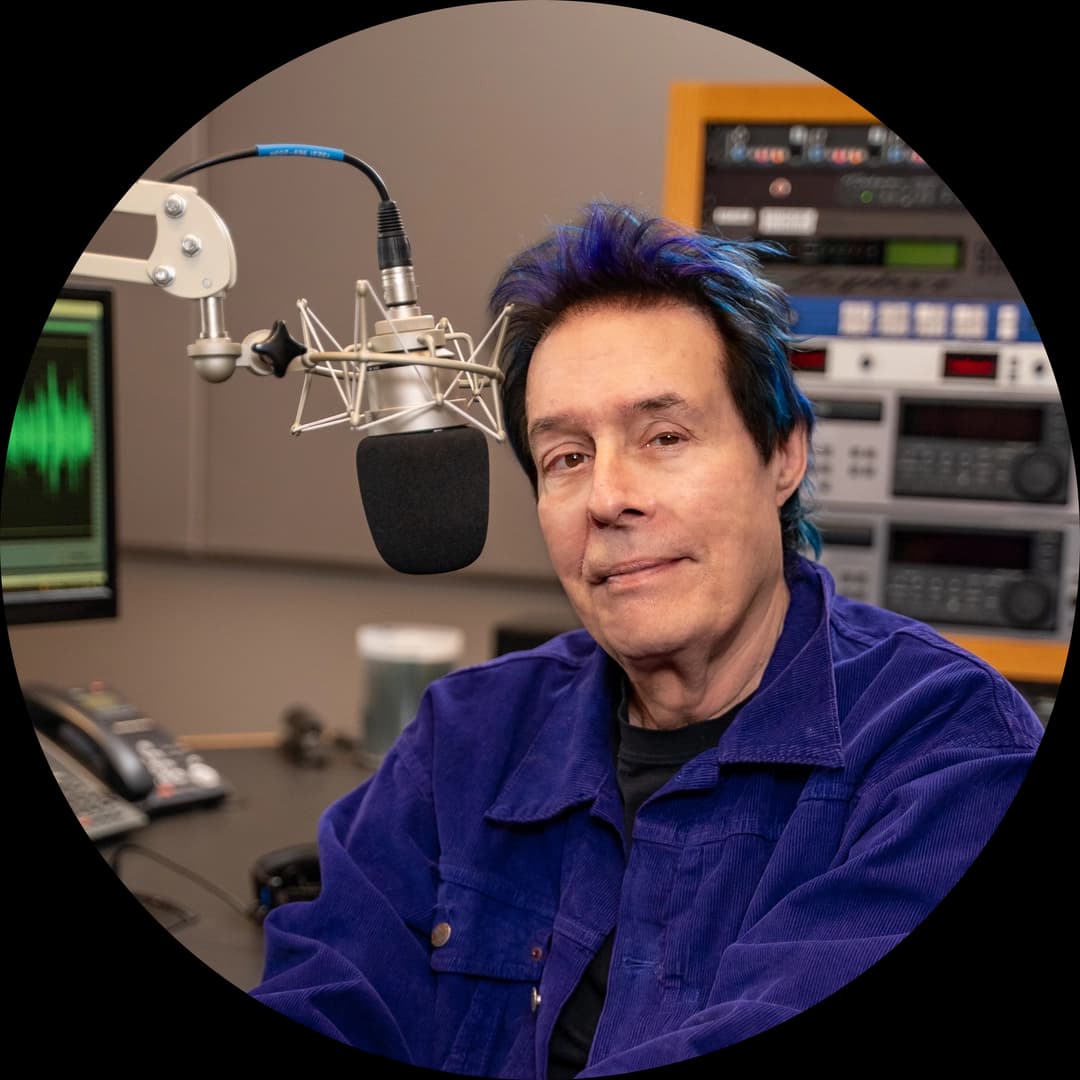
KUSC’s Alan Chapman has a lot to say about music, but can he say it in 60 seconds? That’s the Chapman Challenge. We ask a question and Alan has a minute to answer it.

Today’s question is from Emily Stern in Los Angeles who says “I’ve heard you play various chaconnes. What exactly is a chaconne?”

Hit play below to listen to this week’s Chapman Challenge on Arts Alive.
 

Chapman Challenge: What Is a Chaconne?
00:00


The chaconne was a very popular musical form during the Baroque period. Simply put, the chaconne is a piece built on a repeated harmonic progression, a repeated series of chords. As listeners, we enjoy the dependability of that repeated pattern plus the appeal of the variations that unfold above it.

This is a chaconne by Henry Purcell. The first 20 seconds are the first time through the pattern. As you listen, you’ll hear some rhythmic variety, a more active bass line, etc. And so it goes, all built on that same pattern.

That’s today’s Chapman Challenge. Is there a question you’d like to have answered in 60 seconds? Send it to us at [email protected].
Chapman ChallengePop CultureArts Alive BlogFundamentalsMusic Theory
Written by:
Alan Chapman
Alan Chapman
Published on 04.01.2019
Loading...

MORE LIKE THIS

What is the Most Common Key for a Symphony and Why?

What is the Most Common Key for a Symphony and Why?

In this Chapman Challenge, Alan explains why D major is the most common key for a symphony, highlighting its popularity among 18th-century composers like Haydn and Mozart.

03/01/2020
Chapman Challenge: How Does a Composer Pick the Key for a Piece?

Chapman Challenge: How Does a Composer Pick the Key for a Piece?

In this Chapman Challenge, Alan discusses how composers choose keys for their pieces, considering factors like instrument range, personal preference, and connections to previous works.

04/01/2019
Chapman Challenge: What’s an Opus Number?

Chapman Challenge: What’s an Opus Number?

In this Chapman Challenge, Alan Chapman explains opus numbers in music, their purpose, and how they don't necessarily indicate the order of a composer's works.

04/01/2019
Chapman Challenge: What Is a Rondo?

Chapman Challenge: What Is a Rondo?

Explore the rondo, a popular musical form often used in concertos and symphonies, known for its recurring refrain and contrasting sections. Learn how composers play with its structure for listener enjoyment.

04/01/2019
Chapman Challenge: What is a Sonata?

Chapman Challenge: What is a Sonata?

In this Chapman Challenge, Alan Chapman explains the origin and evolution of the term 'sonata' in music, from its Italian roots to its use in the Classical and Baroque periods.

04/01/2019
Chapman Challenge: What Exactly is an Adagio?

Chapman Challenge: What Exactly is an Adagio?

In this Chapman Challenge, Alan Chapman explains the term "adagio" as a tempo indication in music, along with other tempo terms, and gives examples of famous adagio pieces.

04/01/2019