articles / Saturday Morning Car Tunes
Saturday Morning Car Tunes: Teresa Carreño
Heritage Images/Getty Images
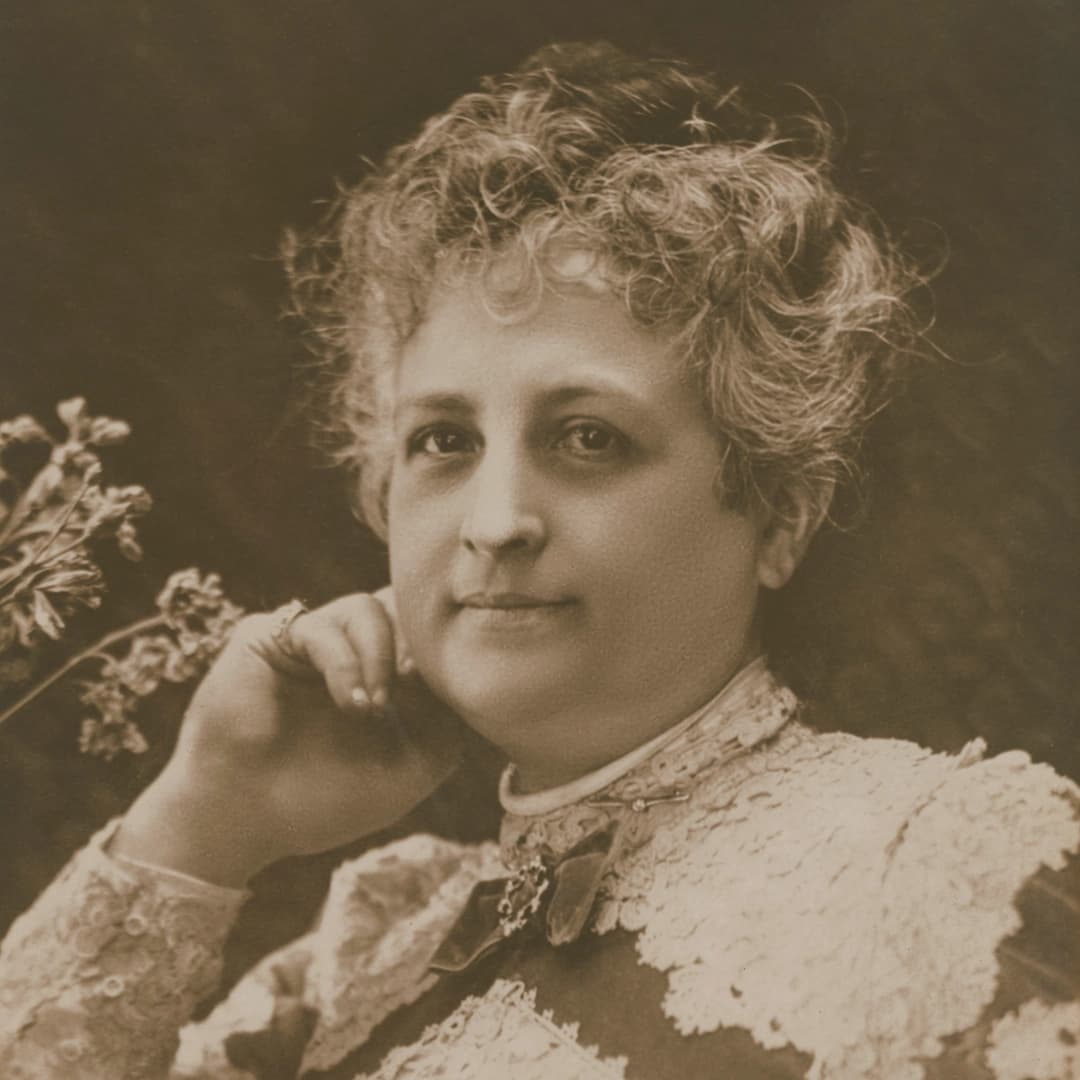
Kean Collection/Getty Images
Listen to the episode!
Nicknamed the "Valkyrie of the Piano," she performed for two American presidents, composed over 70 works, and even sang opera. This week, the unerasable Teresa Carreño.
Howdy, howdy, howdy! I’m Solomon Reynolds, and this is: Saturday Morning Car Tunes! This morning…
Teresa Carreño was a virtuosic pianist, soprano, and composer, born in Caracas, Venezuela, in 1853. Known as the “Valkyrie of the Piano,” she was writing short piano pieces when she was six and made her professional debut at eight. Her piece A Dream Ball was composed decades before the tune for “Happy Birthday” was published. Do you hear it?
Before she turned 10, Carreño’s family moved to New York City, where she met the American composer and pianist Louis Moreau Gottschalk, who became her teacher. One of his most famous works, The Banjo, draws on West African rhythms.
Carreño’s own composing was shaped by her native Venezuela and by Gottschalk. She dedicated one of her first published works, the Gottschalk Waltz, to him.
As a child prodigy, Carreño was famous throughout the United States and performed for President Abraham Lincoln. She almost refused, though, because the White House piano was so badly out of tune. When she did play, she performed the popular parlor song “Listen to the Mockingbird” and then a set of variations on it. This is what that might have sounded like.
No audio recordings of her playing exist, but in the early 1900s she made piano rolls, hole-punched paper that a self-playing piano can replay. Here’s a roll Carreño made of the Barcarolle No. 4 by another teacher, Anton Rubinstein, whose music she performed throughout her career.
Carreño rubbed shoulders with many of the leading musicians of her day, including the opera composer Gioachino Rossini, who she even studied voice with. She later sang Zerlina, one of the sopranos in Mozart’s opera Don Giovanni. Here’s an aria she would have sung, “You'll see, dear one.”
Besides studying with major composers, Carreño became a prominent teacher herself. Her most famous student, Edward MacDowell, dedicated his Second Piano Concerto to her.
She composed about 80 works, mostly in her youth for her own concerts. Later in life, she returned to composing with larger works, including her String Quartet in B minor.
Her Serenade for String Orchestra wasn’t published or performed in her lifetime. Although she was sometimes influenced by Latin American music, the Serenade is rooted in European Romanticism.
Carreño was among the first female pianists to tour the US, inspiring a new generation of women to become professional composers and performers, including her daughter Teresita, also a pianist. She wrote her most famous piece, the waltz “Mi Teresita,” for her.
Teresa is unerasable.
I’m Solomon Reynolds. I write and produce Saturday Morning Car Tunes with research assistant Carolina Correa and audio engineer Stephen Page, only on Classical California. Tune in—or out of your car—next Saturday morning!